Creating a relaxing home workspace is essential for anyone working remotely or spending a lot of time at home on tasks. A well-designed space can improve focus, reduce stress, and increase productivity. Whether you have a dedicated room or just a small corner, it’s possible to create an environment where work feels enjoyable and comfortable. In this post, we’ll explore practical tips and ideas to help you build a calming workspace tailored to your needs.
Why a Relaxing Workspace Matters
A peaceful workspace helps your mind stay clear and your body stay comfortable. When your work area feels welcoming and organized, it minimizes distractions and fatigue. Over time, this positive environment can enhance your overall well-being and job satisfaction.
Choosing the Right Location
Consider Natural Light
If possible, set up your workspace near a window. Natural light is proven to boost mood and energy. Arrange your desk so that the light comes from the side or front to reduce glare on your screen.
Minimize Noise and Interruptions
Pick a quiet spot away from household traffic or noise. If that’s not possible, consider using noise-cancelling headphones or a white noise machine to create a calm sound environment.
Assess Space and Comfort
Make sure you have enough room for your computer, supplies, and some personal touches. Also, ensure that your chair and desk support good posture to prevent discomfort.
Designing Your Workspace for Relaxation
Choose Calming Colors
Colors impact how you feel. Soft blues, greens, and neutrals tend to create a peaceful atmosphere. Avoid overly bright or harsh colors that might cause eye strain or stress.
Incorporate Plants or Natural Elements
Adding a few plants can improve air quality and bring a sense of nature indoors. Even a small succulent on your desk adds a refreshing touch.
Keep It Organized
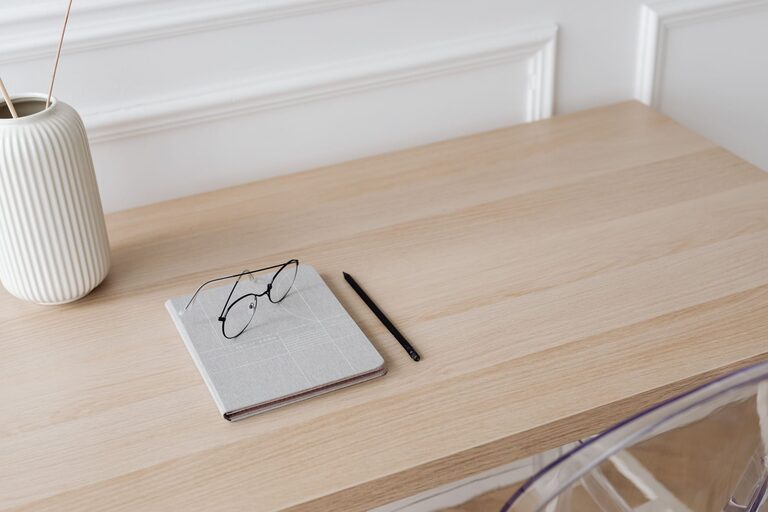
Clutter can cause distractions and anxiety. Use organizers, shelves, or drawers to keep your supplies tidy. Regularly declutter your space to maintain a clean and inviting environment.
Personalize Thoughtfully
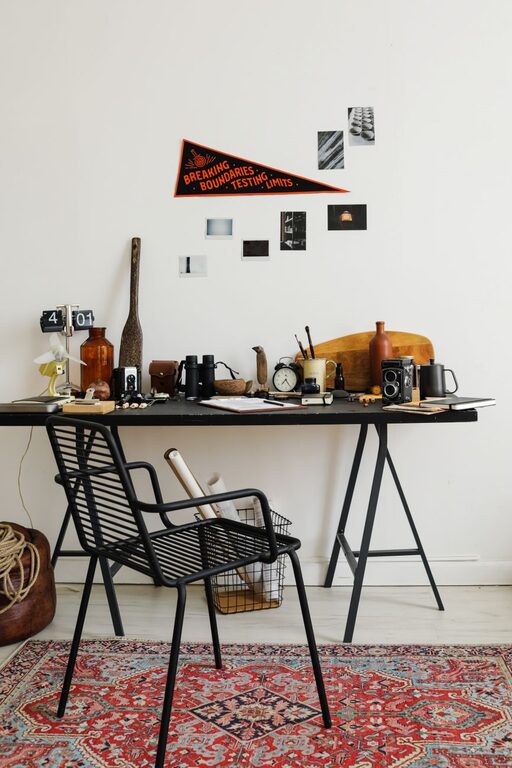
Include a few items that make you smile or inspire you, such as photos, artwork, or meaningful objects. However, avoid overcrowding your desk, which can reduce the sense of calm.
Ergonomics: Comfort is Key
Spending many hours at your desk requires attention to ergonomics. A comfortable setup helps prevent strain and injury.
– Chair: Use an adjustable chair that supports your lower back.
– Desk Height: Your elbows should be at a 90-degree angle when typing.
– Monitor Position: Place your screen at eye level about an arm’s length away.
– Keyboard and Mouse: Keep them close to avoid overstretching your arms.
Taking short breaks to stretch and move also supports your physical comfort.
Lighting Tips for Relaxation
Good lighting reduces eye strain and sets a comfortable mood.
– Use a mix of natural light and soft artificial lighting.
– Avoid harsh overhead lights. Consider desk lamps with adjustable brightness.
– Use warm light bulbs in the evening to promote relaxation.
Encouraging Focus and Reducing Stress
Set Boundaries
Define your work hours to separate work time from personal time. When work is done, step away from your workspace to recharge.
Use Calming Scents
Essential oils like lavender or eucalyptus can create a soothing atmosphere. Use a diffuser or scented candles, if safe.
Play Soft Background Music
Instrumental or nature sounds can help maintain concentration without being distracting.
Maintaining Your Relaxing Workspace
– Regular Cleaning: Dust and clean your workspace weekly.
– Organize Weekly: Plan a weekly tidy-up session to keep things in order.
– Update Decor Periodically: Refresh your space every few months to keep it inspiring.
Final Thoughts
Creating a relaxing home workspace doesn’t require a complete overhaul. Small changes such as improving lighting, adding plants, or organizing your desk can make a big difference. The goal is to build a space that supports your productivity while keeping you calm and comfortable. With a thoughtful setup, your home office can be a place you look forward to working in every day.