
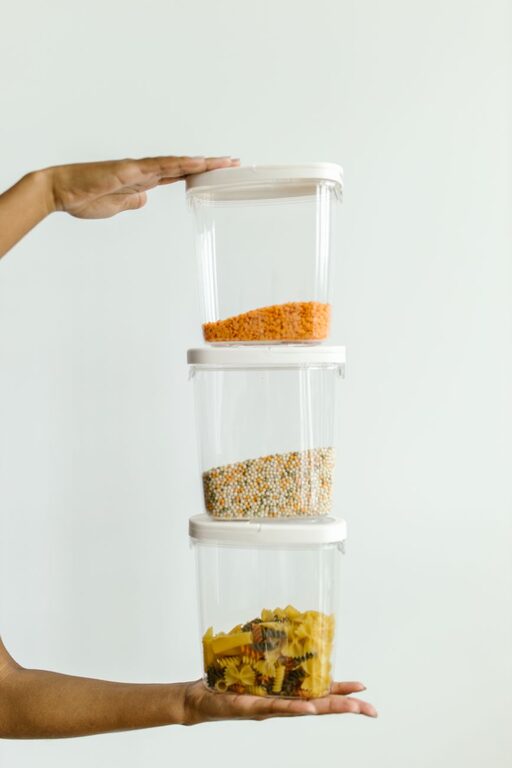
Planning meals from pantry staples is a smart way to simplify cooking, save money, and reduce food waste. Whether you’re in a rush, avoiding extra grocery trips, or just want to get creative with what you have, knowing how to use your pantry items effectively is invaluable. This guide walks you through simple steps to organize your pantry, understand common staples, and plan satisfying meals without needing a long grocery list.
Why Plan Meals from Pantry Staples?
Relying on pantry staples helps you:
– Save Time: You don’t have to run to the store for every meal.
– Reduce Stress: You always have ingredients on hand.
– Cut Costs: Using what you have reduces food waste and impulse buys.
– Eat Healthier: Planning encourages balanced meals with diverse ingredients.
Step 1: Take Stock of Your Pantry
Start by knowing what you have. Organize your pantry so you can see your options clearly.
How to Organize
– Group items by category, such as grains, canned goods, beans, spices, and baking supplies.
– Discard expired items.
– Arrange frequently used staples at eye level.
– Keep backup staples in easy reach.
Common Pantry Staples to Look For
– Grains: Rice, pasta, quinoa, oats
– Canned Goods: Beans, tomatoes, vegetables, tuna
– Baking: Flour, sugar, baking powder, baking soda
– Oils & Vinegars: Olive oil, vegetable oil, apple cider vinegar
– Spices & Herbs: Salt, pepper, garlic powder, dried herbs
– Others: Nut butters, broth, nuts, seeds
Step 2: Understand Your Meal Needs
Think about your family’s preferences and dietary needs. How many meals do you need? What types of dishes work well with your staples?
Make a rough meal schedule, including any fresh items you may need.
Step 3: Mix and Match Staples for Balanced Meals
Combine grains, proteins, and vegetables for nutritious meals. Some pantry staples can serve as the main protein source, while others add flavor and texture.
Protein Sources from the Pantry
– Canned beans (black beans, chickpeas, kidney beans)
– Canned tuna or salmon
– Lentils
– Nut butters (for vegetarian options)
Vegetables and Flavor
– Canned tomatoes and vegetables
– Dried or frozen vegetables (if available)
– Stock or broth for soups and stews
– Herbs and spices to create variety
Grains and Sides
– Rice, pasta, or quinoa as a base
– Oats or barley for breakfast or soups
Step 4: Build Simple Meal Ideas
Here are some easy meal ideas using pantry staples:
1. One-Pot Pasta with Tomatoes and Beans
– Cook pasta and canned tomatoes with garlic powder and herbs.
– Add drained canned beans for protein.
– Finish with olive oil and pepper.
2. Chickpea Curry
– Sauté spices, add canned chickpeas and canned tomatoes.
– Simmer and serve over rice.
3. Lentil Soup
– Use lentils, canned vegetables, and broth.
– Season with garlic and herbs.
4. Tuna Salad Wrap
– Mix canned tuna with olive oil, herbs, and canned corn.
– Wrap in tortillas or pita.
5. Oatmeal with Nut Butter and Seeds
– Cook oats with water or milk.
– Top with nut butter and seeds for protein.
Step 5: Plan Your Shopping List to Complement Your Pantry
When you do grocery shop, pick fresh produce and proteins that complement your pantry staples to keep meals balanced.
– Fresh vegetables like leafy greens, carrots, or onions
– Fresh fruits for snacks and breakfast
– Dairy or plant-based alternatives if used
Tips for Success
– Keep a running inventory of your pantry staples.
– Try a new recipe each week to stay inspired.
– Batch cook meals to save time.
– Use spices to change flavors and keep meals exciting.
– Store staples properly to extend shelf life.
Conclusion
Planning meals from pantry staples is both practical and creative. By organizing your pantry, understanding your essentials, and combining ingredients thoughtfully, you can whip up delicious meals any day of the week. This approach saves money, minimizes waste, and makes cooking less stressful.
Start today by exploring your pantry and experimenting with these simple strategies. You’ll be surprised how many tasty meals you can create with what you already have!