
Composting at home is a fantastic way to reduce household waste and create nutrient-rich soil for your garden. Whether you have a large backyard or a small balcony, composting can be adapted to fit your space and lifestyle. If you’re new to composting, this guide will walk you through beginner-friendly tips to get started with confidence.
What Is Composting?
Composting is the natural process of recycling organic material like food scraps and yard waste into a valuable soil amendment. Microorganisms break down this material into dark, rich compost that can improve soil health, retain moisture, and provide plants with essential nutrients.
Benefits of Composting at Home
– Reduces waste: Keeps kitchen scraps and yard debris out of landfills.
– Enriches soil: Adds nutrients and beneficial organisms to your garden soil.
– Saves money: Reduces the need to buy chemical fertilizers.
– Helps the environment: Lowers greenhouse gas emissions associated with waste.
Getting Started: Choose Your Composting Method
Backyard Composting
If you have outdoor space, a backyard compost bin or pile is a popular option. You can buy a compost bin or build your own using wood pallets or wire mesh.
Indoor Composting
For those with limited outdoor space, indoor composting options like worm bins (vermicomposting) or bokashi systems are great alternatives.
What to Compost: Green and Brown Materials
Successful composting relies on balancing green and brown materials.
– Green materials: High in nitrogen. Examples include vegetable scraps, coffee grounds, fresh grass clippings, and fruit peels.
– Brown materials: High in carbon. Examples include dry leaves, shredded paper, cardboard, and straw.
Composting Tips for Beginners
1. Start Small and Simple
Begin with a manageable amount of kitchen scraps and yard waste. This will help you learn the process without feeling overwhelmed.
2. Maintain the Right Balance
Aim for about a 2:1 ratio of brown to green materials. Too many greens can make the pile smelly, while too many browns slow down decomposition.
3. Chop or Shred Materials
Breaking down larger items into smaller pieces speeds up the composting process by increasing surface area for microbes to work.
4. Keep It Moist but Not Wet
Your compost pile should feel like a wrung-out sponge — damp but not dripping. Water occasionally if it becomes too dry.
5. Turn or Aerate the Pile
Mixing your compost every week or two introduces oxygen, which helps microbes break down the material efficiently and prevents odors.
6. Avoid Composting These Items
– Meat, dairy, and oily foods (can attract pests)
– Diseased plants or weeds with seeds
– Pet waste (can contain harmful pathogens)
Troubleshooting Common Composting Problems
– Bad odor: Usually due to too much green material or lack of air. Add browns and turn the pile.
– Pile too dry: Composting slows down. Add water and more green materials.
– Pile too wet: Add more brown materials and turn to increase airflow.
– Slow decomposition: Chop materials smaller and check moisture and air levels.
Harvesting and Using Your Compost
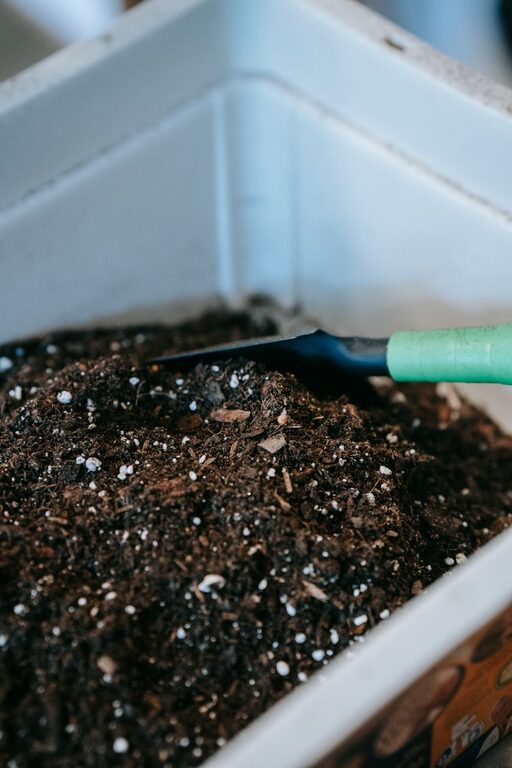
After a few months, your compost will turn into dark, crumbly soil-like material with an earthy smell.
– Use it as mulch around plants to retain moisture.
– Mix it into garden beds to improve soil structure.
– Use it in potted plants as part of your soil mix.
Additional Tips to Keep in Mind
– Use a compost thermometer to monitor temperature for faster results.
– Compost in warm weather for best microbial activity.
– Consider using a compost starter or inoculant to jump-start the process.
Final Thoughts
Composting at home is a rewarding and environmentally friendly habit. By following these beginner tips, you can reduce waste, enrich your garden, and contribute to a healthier planet—all from your own backyard or kitchen. Remember, composting is a learning process; don’t be discouraged by small setbacks. With time and practice, you’ll become a composting pro!
Happy composting!